Ask the Mechanic on:


How can I tell if my Flywheel needs to be replaced?
The best way to tell if you might need a flywheel replacemnet is by sound. When you start your car and hear a high pitch griding nosie and the engine does not crank over, this is a definate sign of worn teeth on a fyl wheel. Also if it starts to crank...skips..then goes back to cranking, this is another sign of the flywheel needing to be replace. Of course removing and inspecting is the most precise way to tell, simply listening can help save some time.
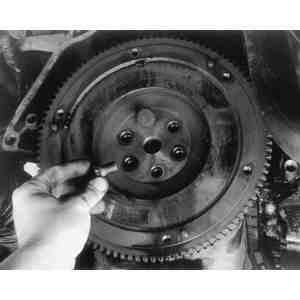
Flywheel Inspection
Fig. 1: Inspect the flywheel for cracks, scoring or excessive wear — the mounting bolts shown are removable with a 12-point socket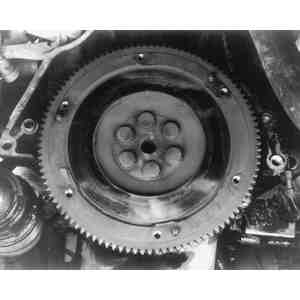
Fig. 2: Inspect the bolt threads. Replace any damaged bolts